Listen to the Music
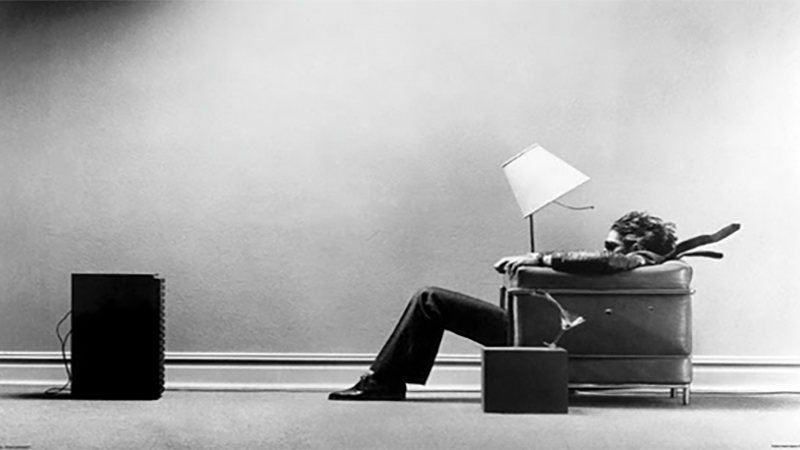
In my previous blog titled Flexibility, I spoke about Tower Records, a giant in the music industry from the 1970s until the early 2000s. The image above references an iconic advertisement from the 1980s by Maxell cassettes and JBL speakers. The idea behind the ad is that with Maxell cassettes, you can feel the sound.
Music has always been a significant part of my life. Although I’m not musically inclined and have a below-average singing voice, I am quite conversational about all genres of music. I’ve often been asked, “If I hadn’t chosen to be a Chiropractor, what would I have pursued?” Knowing what I do about music, I would definitely have been interested in becoming a music producer.
I received my first real stereo when I was 13 or 14. My father upgraded his sound system, and I inherited his old Harman Kardon receiver. I believe the first album I purchased was Paranoid by Black Sabbath. At our present home, we converted a room into a movie room, complete with surround sound, dimmable lights, and blackout shades. The room is relatively small, but the high ceiling keeps it from feeling claustrophobic. I typically use the space for my morning meditation and watch movies only occasionally. However, last night, I dimmed the lights, put on the Eddie Vedder Radio channel on Spotify, and—much like the gentleman in the Maxell ad—got lost in the sound. The playlist was mellow and thought-provoking, with a great mix of new and old artists. That time alone allowed me to contemplate the “what’s next” portion of my plan for 2025.
I have always been on a personal quest to achieve a heightened level of spirituality. Even as a young man in my early 20s I was always interested in pursuing methods to create lasting moments of inner peace. Unfortunately, the universe doesn’t always cooperate with that pursuit. Furthermore, as I’ve referenced before, the four stages of male development—particularly the athlete and warrior stages—don’t always lend themselves to quiet contemplation and purposeful living. Business building is a contact sport, and I am looking forward to taking off the pads for a moment. As we begin the transition from being a brick-and-mortar business to a virtual practice model, I can slowly begin to see the benefits of this change.
During my morning walks, I thoroughly contemplate all aspects of my ongoing decisions. I have decided that once this year of transition concludes, my focus will be on pursuing a path toward a more purposeful existence. My intention is to be more present in my future pursuits and to become fully engaged while doing them. I would like to have more time to read, write, and pursue my coaching career. Volunteering is also on my list for a more meaningful second act.
Being present means fully engaging with the current moment—acknowledging your thoughts, emotions, and surroundings without distraction. It’s about setting aside worries about the past or future and immersing yourself in what is happening right now. When I committed to our virtual transition I made it a personal point to be present during all aspects of this monumental change both good and bad. I am fully vested in the process of what ultimately happens next.
Why It Matters
Being present can reduce stress, enhance focus, and improve overall well-being. When you live in the moment, you’re more likely to enjoy experiences, connect with others, and make mindful decisions that reflect your true values.
How to Be Present
- Mindful Meditation: Set aside a few minutes each day to sit quietly and focus on your breath. Let your thoughts come and go without judgment.
- Deep Breathing: Practice deep breathing exercises throughout the day. This simple act can help ground you in the present, especially during stressful moments.
- Sensory Awareness: Engage your senses by noticing the details around you—a favorite scent, the sound of birds, or the texture of your surroundings.
- Digital Detox: Limit distractions by designating times to unplug from devices. This creates space for you to be more aware of your immediate environment and interactions.
- Active Listening: In conversations, focus on truly hearing what others say instead of planning your response. This deepens connections and keeps you anchored in the now.
Incorporating these practices into your daily routine can help cultivate a habit of mindfulness and peace. Over time, being present becomes less of a deliberate effort and more a natural part of your way of living, allowing you to experience life with greater clarity and appreciation. It also strengthens your connection to the present world as well as whomever you are experiencing it with. Put down your phone!
I realize that I am in a very fortunate position and do not take my opportunity for reinvention lightly. I also recognize that I have not arrived at this place in my life without the help and support of others. My ONE-FED team has been and will be instrumental during the next 9 months while we repurpose our efforts to build our network. I am as committed as ever in regard to building the most efficient OWCP provider network to serve the federal community as well as the medical providers that serve them. Have a great week everyone.